


Mould can begin in a damp area within 48 hours. Here is how it starts, how it spreads, and how to stop it.
Mould starts when moisture stays on a surface long enough for spores to take hold. Health Canada says mould will begin to grow in an area with excessive moisture within 48 hours, and it keeps spreading for as long as the surface stays wet. The fix is the same at every stage: find the moisture, stop it, and dry the materials. This guide follows the process step by step, so you can see where to act.
Quick check: is it still spreading?
Tick the ones that apply. This is a general check, not an inspection.
The growth cycle, step by step
Mould does not appear overnight, and it does not start from nothing. It follows a predictable sequence, and each step gives you a chance to act.
- Moisture arrives. Water comes in from a leak, rain, snowmelt, a flood, or a damp surface from condensation or daily activity. Health Canada lists these as the main sources.
- The surface stays damp. A surface that dries within a few hours is usually fine. One that stays wet, or keeps getting wet, is where growth starts.
- Spores settle and take hold. Mould spores are always in the air. They need moisture to germinate, so the damp surface is what they land on.
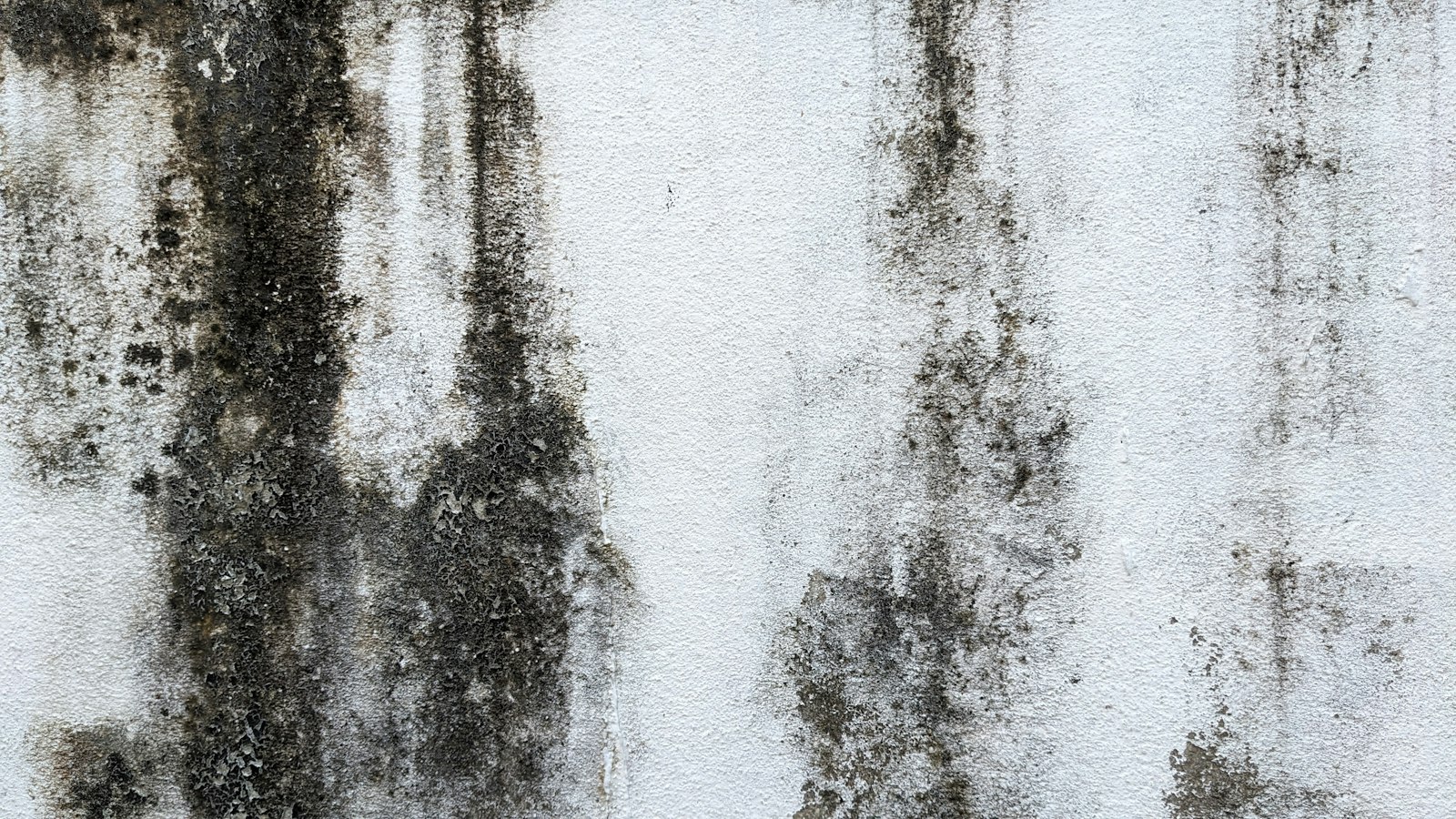
- Growth spreads through the material. The mould grows into porous materials such as drywall, wood, paper and fabric, which is why it can be hidden behind a clean-looking surface.
- Visible growth appears. Dark or fuzzy spots, stains and musty odours are the signs. By this stage the moisture problem is usually established.
The 48-hour clock
Health Canada’s warning is specific. Mould will begin to grow in an area with excessive moisture within 48 hours. That is the window in which fast action has the biggest effect, and it is why professionals push so hard on drying in the first days after water damage. The clock starts when the material gets wet, not when you first notice a stain, so a stain you see on day three may already be older than it looks.
From moisture to growth
What the 48-hour warning means in practice
Source: Health Canada, Addressing moisture and mould in your home (January 2023). The timeline shows the 48-hour warning only.
After 48 hours, growth does not stop on its own. It continues as long as the surface stays wet. That is why the fix is to dry the area, not just wipe it down.
The growth cycle
Five stages from moisture to visible mould
Source: Health Canada, Addressing moisture and mould in your home (January 2023), for the 48-hour point. The stages are a general sequence.
What mould grows on
Health Canada says moisture can cause problems when building and other materials become damp or wet. The materials it names are drywall, wood, paper and textiles. Carpet, underpads, upholstered furniture, bedding and stuffed toys also hold moisture, which is why Health Canada advises discarding them when they have been wet.
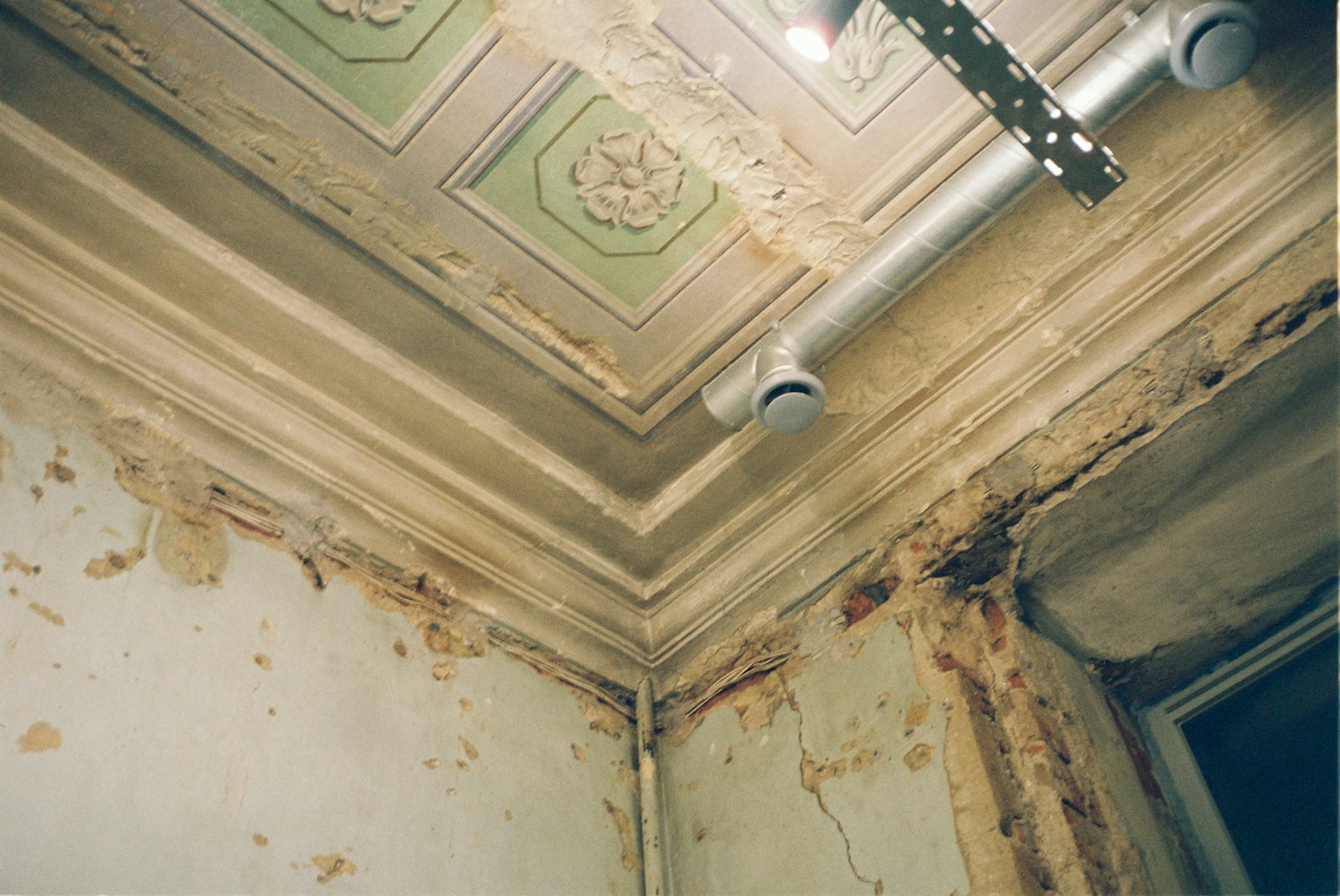
Glossy paint and tile do not feed mould the way porous materials do, but they can still carry a film of moisture. The surface may look clean while the material behind it is still wet.
Can mould grow in a dry house?
Not usually, because mould needs moisture. But a house can be dry in most rooms and still have mould in one damp area. A bathroom wall, a basement corner or a wall behind a sink can be damp enough to support growth while the rest of the home feels normal.
That is why a dry-feeling house is not the same as a dry house. Check the areas that get wet, and the areas that stay cold.
How it spreads
Mould spreads in two ways: the growth grows into the material, and spores move through the air. Health Canada’s cleanup steps reflect this. They say to open windows and exterior doors for fresh air, seal mouldy items in plastic bags before taking them out, and cover affected surfaces with plastic sheeting taped at the edges if the mould is limited to one area.
Those steps have a clear purpose: to limit how far the growth and the spores travel while you wait for the cleanup to start.
Why winter makes it worse
Warm indoor air holds moisture. When it touches a cold window or an exterior wall, the moisture condenses. Health Canada identifies condensation on cold surfaces as one of the main moisture sources. In winter, many people close windows and run humidifiers, which can hold moisture inside the home.
Health Canada recommends keeping relative humidity between 30% and 50%. It also recommends a portable dehumidifier when you see condensation on cold surfaces or humidity is above 50%.
How to stop it
The steps below follow Health Canada’s guidance. The order matters, and the first step makes every other step last. Drying a surface that is still getting wet only buys a few days.
- Find and fix the moisture. Stop the leak, repair the building envelope if water is entering from outside, and fix the ventilation that is letting humidity build up.
- Dry the area fast. Use fans, open doors and windows if the weather allows, and a dehumidifier where humidity is high. Empty the drain pan regularly.
- Remove what cannot be cleaned. Porous materials that are mouldy or have been wet are usually discarded.
- Clean washable surfaces. Use an unscented soap solution. Do not use bleach to clean up mould.
- Call a professional if needed. Health Canada advises professional help when the moisture source is unclear, the problem is large, or the mould comes back after cleaning.
Where it usually starts in a typical home
Mould tends to start where moisture is produced or trapped. Health Canada’s list of moisture sources maps well onto the rooms of a house, so it helps to walk through them one at a time.
- Bathrooms. Showers and baths add steam. Health Canada names showering and exhaust fans that are not working or do not vent outside as moisture sources. The ceiling, the grout and the area around the tub are common spots.
- Kitchens. Cooking adds moisture to the air. Without a working range hood or a fan that vents outside, the moisture settles on cabinets, walls and ceilings.
- Laundry rooms. Health Canada lists washing clothes as a daily moisture source. Damp laundry drying indoors adds more.
- Basements. Cold walls, groundwater and low airflow make basements prone to condensation. Health Canada recommends a dehumidifier in damp areas such as basements.
- Under sinks and behind appliances. Plumbing leaks are a moisture source Health Canada lists. A slow drip can keep a cabinet back wet for weeks without anyone noticing.
- Windows and exterior walls. These are the coldest surfaces, so condensation forms there first. Health Canada lists condensation on windows and pipes as a sign to note.
Once you know which rooms are most likely to stay damp, you know where to look first in the quick check above.
Myths about how mould starts
Myth
“Mould only happens after a big flood.”
Fact
Health Canada lists daily activities, condensation and poor ventilation as moisture sources too. Small, repeated moisture is enough.
Myth
“If the surface looks dry, the mould is gone.”
Fact
Mould can grow inside a material and behind a surface. Health Canada advises looking in damp areas, and in cavities where water damage is known to have occurred.
Before you clean: a 5-minute photo checklist
Tick each one as you go. The progress is saved in this browser only.
0 of 5 done
Not sure how far it has spread?
Book a site visit. We look at the moisture first, then give you a written scope before any work starts.
Questions people ask
How long does it take mould to grow?
Health Canada says mould will begin to grow in an area with excessive moisture within 48 hours. Visible growth can take longer, and it keeps spreading while the surface stays wet.
Does mould grow in a dry house?
Not usually. Mould needs moisture. A house can still have mould if one area stays damp, even when the rest of the home is dry.
Can mould spread through the air?
Yes. Spores move through the air, which is why Health Canada recommends sealing mouldy items in bags, opening windows, and isolating a small area with plastic sheeting while you wait for cleanup.
Does cold weather stop mould?
Not indoors. Cold surfaces collect condensation from warm indoor air, which can support mould in winter.
Do I have to throw everything out?
No. Health Canada says hard, washable surfaces can be cleaned. Porous materials, such as fabrics, carpet, underpads and mattresses, often cannot be properly cleaned and must be discarded.
When should I call a professional?
Health Canada advises professional help when the moisture source or the corrective action is unclear, when the problem is large, or when mould comes back after cleaning.
Sources
- Health Canada, Addressing moisture and mould in your home (January 2023). Used for the 48-hour growth point, the moisture sources, the materials list, the humidity range, the cleanup and containment steps, the PPE minimum, the at-risk groups and the bleach advice.
Related services
Related guides
Keep reading: Why is there mould in my house? · Mould remediation in Toronto and the GTA · Knowledge hub