


Where does drywall fit your project?
Pick the project closest to yours. Each one shows what we do there, then you can go deeper or book a visit.
Residential drywall
Houses, bungalows and townhomes. New walls, repairs and finishes for the rooms you live in.
- Living spaces and bedrooms
- Ceilings and soffits
- Patches, repairs and water-damaged walls
Custom home drywall
Full-scale new builds, planned room by room, with the board, the finish and the paint ready in one plan.
- Whole-house board and framing
- Level walls and ceilings for paint
- Finish levels chosen for each room
Commercial drywall
Offices, retail and occupied commercial spaces, scheduled around the business and built to the fire and sound rating.
- Demising and fire-rated walls
- Work scheduled around occupancy
- Commercial finish levels
High-rise drywall
Condo and multi-storey buildings, where access, fire separation and sound matter on every floor.
- Vertical access and crew planning
- Fire and sound separation
- Coordinated with the building schedule
Basement drywall
Finished basements with moisture-resistant board, framing around the services and a finish that holds up.
- Moisture-resistant board where it is needed
- Framing around ducts and pipes
- Ceilings that leave access where it is needed
Renovation drywall
Opening walls, patching and matching the finish of the existing house, with dust and the schedule managed.
- Patching and matching existing walls
- Opening and closing walls for trades
- Dust protection and daily clean-up
How this guide works
Walls are the structure of every room. The wall system, the board, the finish level and the texture decide how the room sounds, how it holds up to moisture, and how it looks under paint. Work through the nine decisions in order.
Decision 1
Which wall system you need
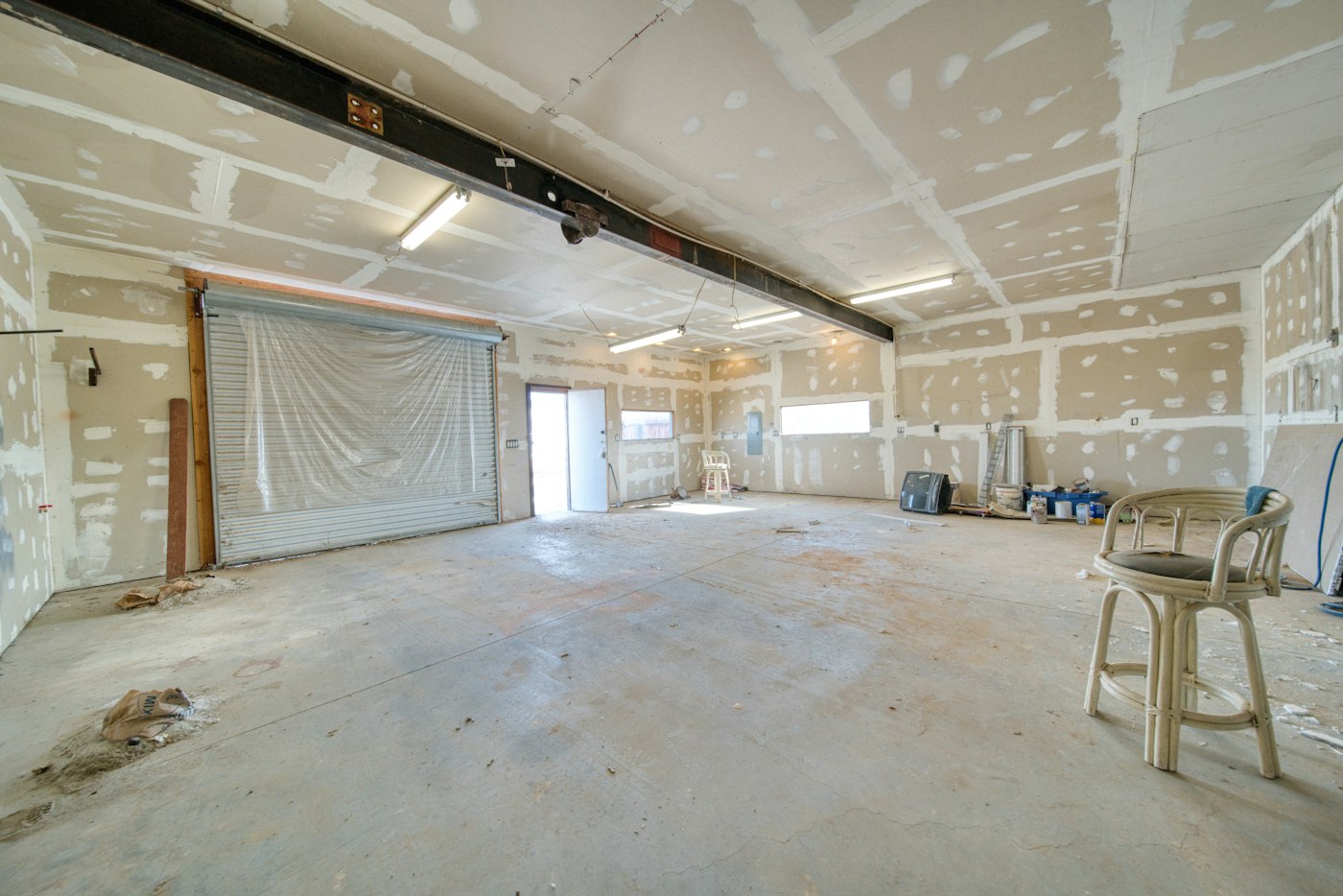
Most interior walls are gypsum drywall on wood or steel framing. Plaster, panels and masonry each suit different rooms and budgets of time and effort.
| System | Where it suits | Trade-off |
|---|---|---|
| Gypsum drywall on framing | Most interior walls and ceilings | Fast to install, easy to repair, standard finish |
| Plaster (traditional or veneer) | Character homes, feature walls, a softer surface | Slower, more skilled work, heavier |
| Wood or wall panels | Feature walls, wainscot, shiplap, board and batten | Adds character, more material and install time |
| Masonry or concrete block | Basements, commercial walls, fire separation | Strong and durable, harder to change later |
Decision 2
Drywall type and thickness
The board decides the strength, the fire rating and the moisture resistance of the wall. Using the right board in the right room prevents problems later.
| Board | Thickness | Use it for |
|---|---|---|
| Regular gypsum board | 1/2 in (12.7 mm) for walls | Standard walls in dry rooms |
| Regular gypsum board | 5/8 in (15.9 mm) for ceilings | Ceilings, where the span needs more stiffness |
| Moisture-resistant board | 1/2 in (12.7 mm) | Bathrooms and laundry rooms, not inside tile areas |
| Mould-resistant board | 1/2 in (12.7 mm) | Basements and damp-prone walls |
| Fire-rated (Type X) | 5/8 in (15.9 mm) | Garage walls, shared walls, fire separations |
Decision 3
Soundproofing and sound control
Sound moves through walls. The fix is layered: insulation inside the cavity, decoupling between the board and the framing, and mass in the board.
| Method | What it does | Effect on sound |
|---|---|---|
| Insulation in the cavity | Absorbs sound within the wall | Helpful, low cost |
| Resilient channel or clips | Decouples the board from the framing | Strong improvement for living spaces |
| Double layer of board | Adds mass to the wall | Good improvement with extra time |
| Sealing gaps and outlets | Stops sound leaking at penetrations | Often overlooked, very effective |
Decision 4
Finish level: how smooth the wall is
The Gypsum Association sets finish levels from 0 to 5. The level decides how much finishing the joints and surface get, and how the wall looks under paint.
| Level | Surface | Use it for |
|---|---|---|
| Level 2 | Joints taped and filled; visible texture | Garages, utility areas, behind finishes |
| Level 3 | One coat of joint compound over tape | Under heavy textures, not under smooth paint |
| Level 4 | Three coats; a smooth finish for most paint | Most walls with eggshell or satin paint |
| Level 5 | A skim coat over the full surface | Glossy paint, dramatic light, high-end finishes |
Decision 5
Texture: smooth, orange peel, knockdown or plaster
Texture is the finish you can see from across the room. Choose it with the paint sheen and the lighting in mind, since smooth walls show every flaw.

| Texture | Look | Effect |
|---|---|---|
| Smooth wall | Clean, modern, flat | Shows every flaw; needs Level 4 or 5 |
| Orange peel or light spray | Soft, subtle texture | Hides minor flaws; common in homes |
| Knockdown | Textured with flattened peaks | Hides flaws well; not for modern minimal rooms |
| Venetian or limewash plaster | Layered, luxurious, handmade | Special finish; skilled application |
Decision 6
Corners, edges and trim
The corners and edges are where walls wear first. The corner bead you choose protects them and makes them look sharp.
| Edge | What to use | Why |
|---|---|---|
| Outside corners | Metal corner bead or vinyl bead | Protects corners from impact |
| Inside corners | Taped and finished corners | Clean, crisp line |
| Doorways and openings | Metal bead or bullnose | Rounded edges that resist chipping |
| Bullnose edges | Rounded profile | Softer look, better for families |
Decision 7
Walls to tile and wet areas
Behind tile in wet areas, regular drywall will fail. The membrane and the backer board carry the waterproofing, not the paint.
| Area | Backer or board | Waterproofing |
|---|---|---|
| Shower walls | Cement backer board or foam board | Membrane over the backer, sealed at corners |
| Tub surround | Cement backer board | Membrane and sealed joints |
| Kitchen backsplash (dry area) | Standard board, or cement board | Sealed grout; no membrane needed |
| Basement walls | Mould-resistant board, or masonry | Vapour barrier and drainage first |
Decision 8
Feature walls and panels
Feature walls turn a plain room into a focus point. Panels, slats and board and batten can be laid over drywall or set into the design early.
| Feature | Look | Install |
|---|---|---|
| Shiplap | Horizontal boards, classic | Over drywall or studs; needs flat backing |
| Board and batten | Vertical lines, panel effect | Adds depth; needs layout |
| Wainscot | Lower panel with a cap rail | Traditional; adds trim work |
| Wood slats | Modern rhythm, texture | Needs careful spacing and finish |
Decision 9
Repairs, patches and the moisture check
Most wall work is repair. Before any patch goes on, find out why the wall failed. A patch over moisture only hides the problem for a short time.
| Problem | Cause | Fix |
|---|---|---|
| Cracks at corners or ceiling joints | Movement or poor taping | Re-tape, fill, sand and prime |
| Nail or screw pops | Board not fastened to the stud | Re-fasten, fill, prime |
| Holes and dents | Impact or old fixtures | Patch, feather, sand, prime |
| Water stains or soft board | Leak or moisture | Find and fix the source, cut out damaged board, replace, then finish |
Quick check
What do your walls need?
2 or more ticked? Plan the board, the finish level and the moisture check before the paint. Book a free consult and we will write the wall plan for your room.
Talk to the Plug
Which wall system is right for your room?
Tell us the room, the wall condition and what you want it to do. We will tell you the board, the finish and the moisture plan,.
Haven't called the Plug yet?
Need to learn more?
Call, text, DM or Whichever way suits you, we take it from there.
Keep learning