


Water Damage Restoration in Toronto and the GTA: The First 48 Hours and What to Do Next
Water on the floor? The next 48 hours decide how much of the damage you keep.
Water damage restoration means stopping the water, removing what is wet, drying the structure, and checking that it is dry before anything is closed up. Speed matters most. Health Canada notes that mould will begin to grow in an area with excessive moisture within 48 hours, so the first steps are safety, stopping the source, and documenting the damage for your insurer. This guide walks through what to do, what to skip, and when to bring in a professional team.
Quick check: what do you need right now?
Answer three questions. This is general guidance, not an inspection, but it points you to the next step.
1. Is water still coming in?
2. Is the water grey, black, or from a sewer?
3. Has the water been there more than 48 hours?
Why the first 48 hours matter
Most people think of water damage as a cleanup problem. It is really a drying problem, and drying has a clock on it. Health Canada's guidance on moisture and mould says that mould will begin to grow in an area with excessive moisture within 48 hours. That is why the advice is to act immediately, not after the insurance call, the quote, or the weekend.
The graphic below shows the practical order. The stage times are a planning guide, not a measured schedule. Only the 48-hour mould warning comes from Health Canada.
The first 48 hours, in order
Practical sequence for a typical basement or room flood
Source: Health Canada, Addressing moisture and mould in your home (January 2023). Stage times are a planning guide.
Right away
Make it safe
Power off at the breaker box. Keep out of standing water near outlets and cords.
First hour
Stop the water
Shut off the main valve, or the valve to the failed pipe or appliance.
First few hours
Document, then call
Photos and video first. Then call your insurer, who may have a 24-hour line.
Within 48 hours
Dry and decide
Remove standing water, start drying, and book professional help for anything large or hidden.
Step 1: Keep people safe
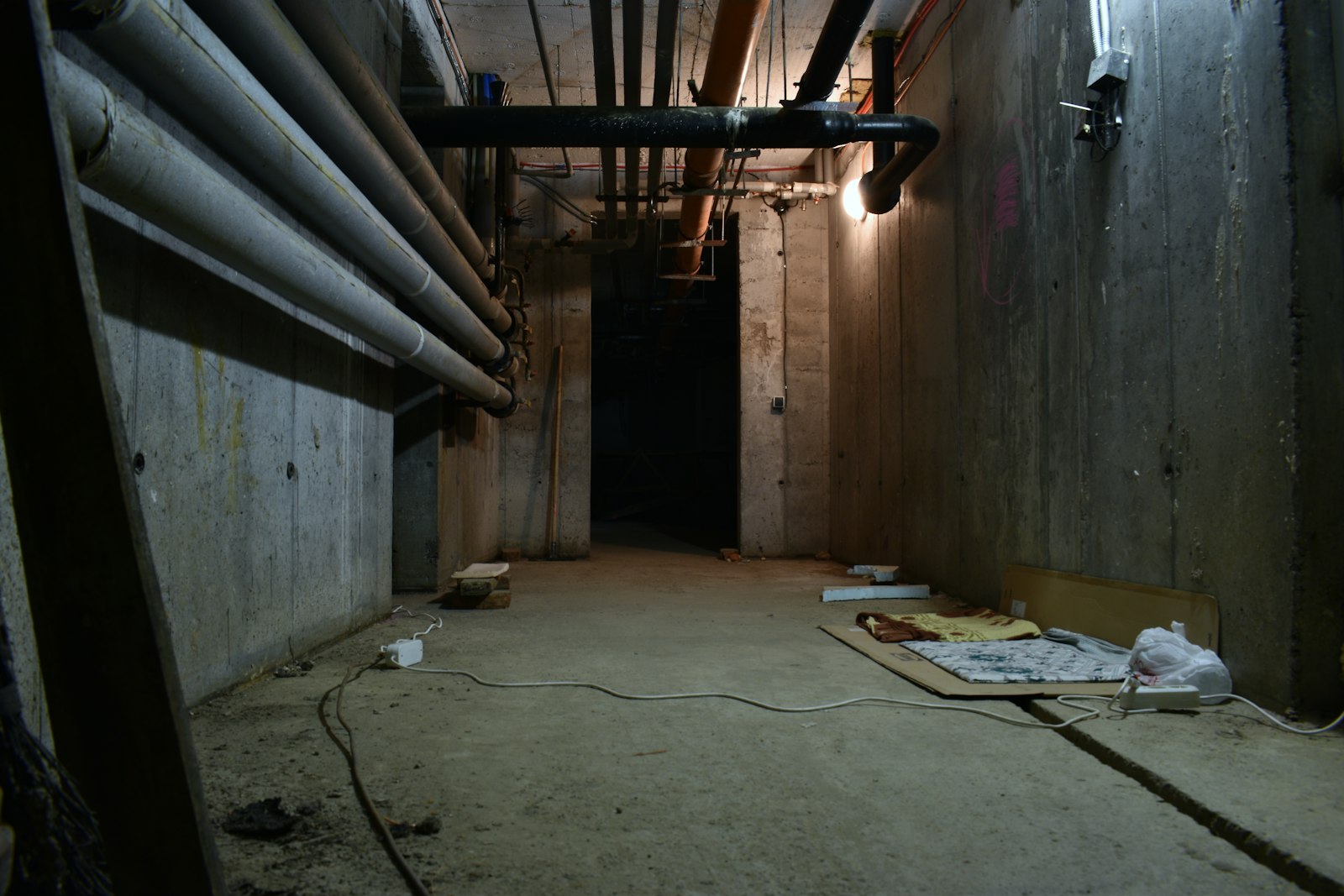
Electrical shock is the risk that arrives first. Health Canada advises that in a flood, you shut the power off to the flooded area at the breaker box, and ask the local electrical utility for help if you need it. Do not walk through standing water if you cannot be sure the power is off.
Wear rubber boots at all times while you are standing in water, and keep extension cords out of the water.
Health Canada also says that people more likely to be affected by mould should not be in or near the cleanup area. That includes infants, children, seniors, pregnant people and people with respiratory conditions such as asthma. Keep pets away from the area as well.
Step 2: Stop the water
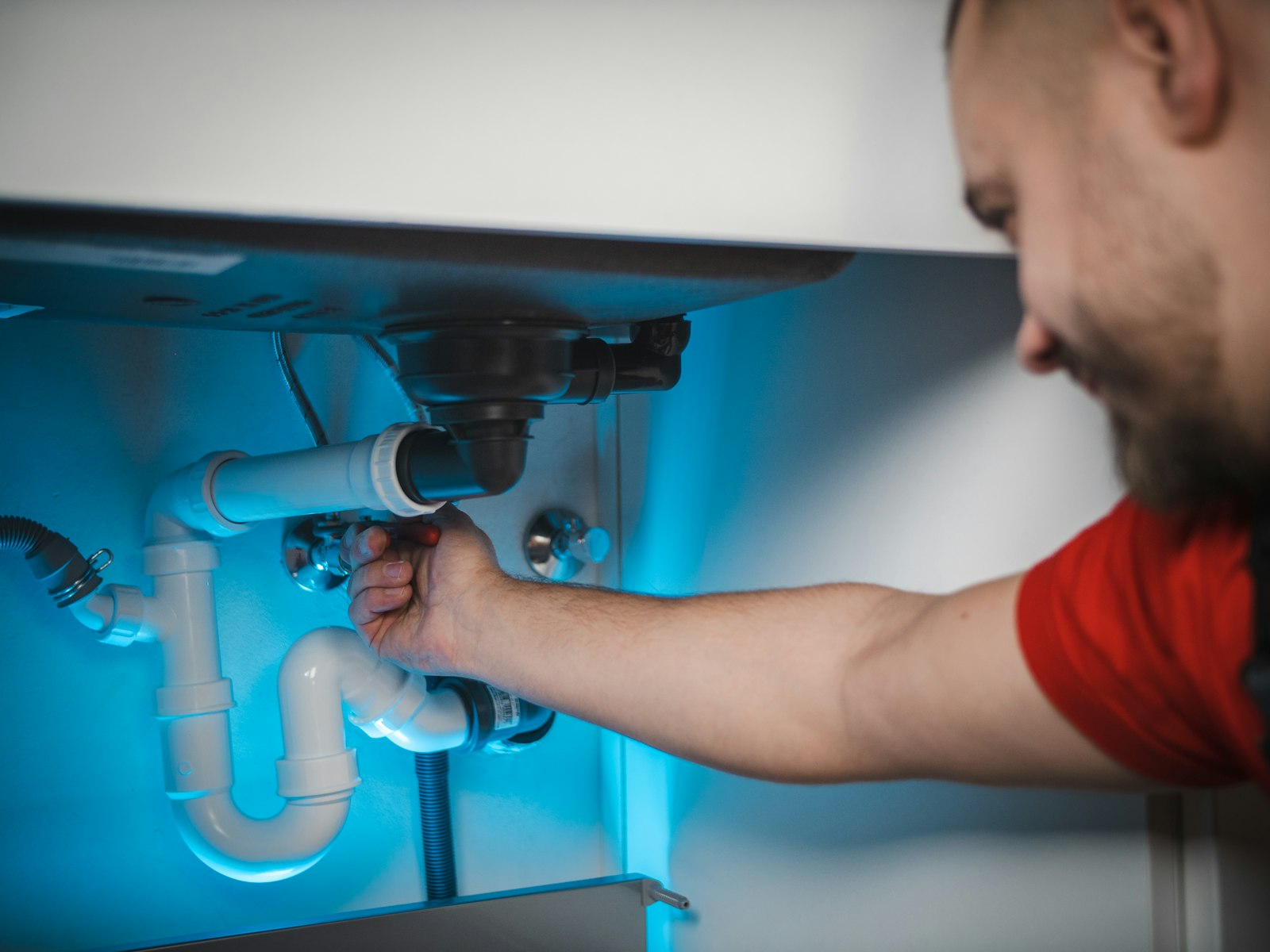
Stop the source before you clean anything. Shut the main water valve, or the valve to the failed pipe, appliance or drain. If water is coming in from outside, the problem is the building itself. Health Canada says that if moisture or water is entering the home from outside, the building envelope has to be repaired. That means the roof, walls, windows, doors and foundation.
This is the step people skip most often. Mopping up a basement while the wall is still leaking gives you a clean floor and a wet wall.
Step 3: Document before you clean
Before you move anything or start removing material, take photos and video. Your insurer will ask for them, and once things are cleaned up you cannot show what the damage looked like. Use the checklist below to cover the basics.
Your 10-minute photo checklist
Tick each one as you go. The progress is saved in this browser only.
0 of 6 done
Then call your insurer. Many insurers run 24-hour emergency lines and can connect you to approved restoration providers. Ask directly what is covered for water damage and whether sewer backups are included, because policies differ.
Step 4: Decide what goes and what stays
Health Canada's cleanup guidance is direct about porous materials. Items that cannot be properly cleaned must be discarded. Put them in sealed plastic bags and take them out of the home. Open windows and exterior doors first to bring in fresh air.
Health Canada specifically advises throwing away carpets, sofas, cushions, mattresses, pillows, stuffed toys or bedding that have gotten wet, been exposed to damp conditions, or been stored in a wet environment. Clothing with mould growth should be discarded too.
Hard, washable surfaces such as tile, sealed wood and window sills can usually be cleaned and dried. The decision is made area by area, which is why the site visit matters.
Usually thrown out, or often cleaned
A quick guide for the most common items. Your site visit decides the final call.
| Item | Usually | Why |
|---|---|---|
| Carpet and underlay | Thrown out | Health Canada advises discarding wet carpet |
| Mattresses, pillows, bedding, stuffed toys | Thrown out | Health Canada advises discarding wet bedding |
| Sofas and cushions | Thrown out | Moisture gets into upholstery and is hard to clean |
| Clothing with mould growth | Thrown out | Health Canada advises discarding it |
| Hard, washable surfaces (tile, sealed wood, window sills) | Often cleaned and dried | Health Canada lists these as washable |
| Drywall, insulation | Decided on site | Depends on how wet it got and whether it can be dried |
Source: Health Canada, Addressing moisture and mould in your home (January 2023), cleanup guidance.
Cleaning: what to use and what to avoid
Here is the most useful sentence in the cleanup guidance: do not use bleach to clean up mould. Health Canada recommends scrubbing washable surfaces with a cloth and an unscented soap solution, then drying them completely and quickly.
For walls, Health Canada suggests a damp cloth with baking soda or a small amount of unscented soap solution. Do not let drywall get too wet while you clean it.
Cleaning only deals with the surface. If the moisture is still there, the growth comes back. That is the reason the source comes first.
The insurance question, with numbers
Water claims are expensive, and they add up quickly across a region. Two figures from the Insurance Bureau of Canada (IBC) show the scale. They are older, so read them as history, not as current costs.
In 2012, IBC estimated that water damage costs insurers about $1.7 billion each year. The same reporting describes the August 19, 2005 extreme rainfall in southern Ontario, which produced over $500 million in total insurance claims, of which $247 million came from sewer backup claims in homes.
One rainfall event, 2005, southern Ontario
Sewer backup claims compared with all insurance claims from the same event
Source: IBC figures as reported by Insurance-Canada.ca, July 10, 2012. Historical figures, not current costs.
Sewer backups are a common route into a basement, and they are a good reason to ask your insurer exactly how your policy treats them before you need it.
Myths that cost people money
Myth
"Bleach kills mould, so it is the safe fix."
Fact
Health Canada says not to use bleach to clean up mould. Use an unscented soap solution on washable surfaces.
Myth
"Wet carpet can be dried and kept."
Fact
Health Canada advises throwing away carpets that have gotten wet or been exposed to damp conditions.
Myth
"If the floor looks dry, the space is dry."
Fact
Water can stay inside walls, under flooring and behind baseboards. Moisture readings tell you more than a look does.
When to hire a restoration team
You can handle a small, clean-water spill that you can remove quickly and dry with fans and a dehumidifier. Call a professional when:
- the water came from a sewer backup, or the water is grey or black;
- the damage covers a large area, or reaches walls, floors or ceilings;
- the water source is not clear, or has not stopped;
- mould is already visible, or the home smells musty after the water is gone;
- someone in the home is in a group Health Canada considers more at risk.
The musty smell point matters. Health Canada advises that if strong musty odours are present but no clear sign of water damage or mould is visible, a professional can help check for hidden mould in wall and floor cavities.
What a professional restoration job looks like
A good restoration job follows the same order every time, and the scope is written down before the work starts. Here is what you should expect from The Builders Plug:
- Assess the damage. We check the source, the type of water and the materials affected. You get a written scope before any material is removed.
- Remove water and wet material. Standing water comes out first. Materials that cannot be dried are removed and bagged.
- Dry the structure. Drying equipment runs until moisture readings show the structure is dry, not just until the surface looks dry.
- Clean and sanitize. Surfaces that stay in place are cleaned with the methods Health Canada describes.
- Confirm and hand over. You get the record of what was removed, what was dried, and what was cleaned.
We bring in trusted trade partners and specialists when a job needs them, and we coordinate them under one plan, so you have one point of contact.
Ready to book a water damage site visit?
Tell us where the water came from and what you have seen. We confirm the damage and the scope in writing before work starts.
Questions people ask
What should I do first after a basement flood?
Shut the power off at the breaker box if you can reach it safely, and do not walk through standing water until you are sure it is safe. Then stop the water if you can, photograph everything, and call your insurer. Start removing standing water once the area is safe.
How fast does mould start after water damage?
Health Canada says mould will begin to grow in an area with excessive moisture within 48 hours. That is why the first two days matter most, and why wet materials should not be left closed up.
Will my insurance cover water damage?
It depends on your policy and on the cause of the water. Ask your insurer what is covered, including sewer backups, before you start the work. Keep receipts for any emergency work.
Can I use bleach to clean up mould?
No. Health Canada says not to use bleach to clean up mould. It recommends an unscented soap solution for washable surfaces, and a damp cloth with baking soda or a small amount of unscented soap for walls.
Who is most at risk from mould?
Health Canada lists infants, children, seniors, pregnant people and people with respiratory conditions such as asthma. Those people should not be in or near the area during cleanup.
Do I have to throw out my carpet?
If the carpet got wet or was exposed to damp conditions, Health Canada advises throwing it away.
Can I dry the area myself with fans and a dehumidifier?
A small, clean-water spill that you remove quickly can sometimes be dried this way. Sewage, deep water, wet walls, or any area that stays damp needs a professional restoration team.
What is the difference between cleaning and restoration?
Cleaning removes dirt and surface growth. Restoration stops the water, removes what cannot be dried, dries the structure, and confirms it is dry before it is closed up. Cleaning without restoration is how mould comes back.
Sources
- Health Canada, Addressing moisture and mould in your home (January 2023). Used for the 48-hour mould warning, safety steps, discard guidance, cleaning guidance and the at-risk groups.
- Insurance Bureau of Canada figures as reported by Insurance-Canada.ca, IBC: New ICLR website addresses basement flooding, water damage (July 10, 2012). Historical figures.
Related services
Related guides
Still have questions? Send us a photo and a short description of the damage, or book a site visit.