


Mould Remediation in Toronto and the GTA: How to Find It, Clean It, and Know When to Hire a Pro
That musty smell is a clue. Here is how to read it, and what to do next.
Mould remediation means finding the moisture that feeds mould, removing the damaged material, cleaning what can be cleaned, and drying the area so the growth does not come back. Health Canada's guidance is clear on the order: fix the moisture first, then clean. For a small area you can often handle the cleanup yourself with the right steps. For a large area, hidden growth, or mould that keeps returning, a professional team is the safer route. The Builders Plug offers mould remediation across Toronto and the GTA, and we confirm the source and the scope in writing before any work starts.
Quick check: how big is your problem?
Answer three questions. This is general guidance, not an inspection, but it points you to the next step.
1. Is the mouldy area small, medium or large?
2. Do you know what is causing the moisture?
3. Has mould come back after cleaning, or is someone at higher risk in the home?
How to tell you have mould
Mould often shows first as a musty or earthy smell, dark or fuzzy spots, peeling paint, bubbling wallpaper, or stains on drywall and ceilings. Health Canada uses the word "mould" for the fungi that grow in homes, and advises that strong musty odours with no clear sign of mould should be checked, because the growth may be hidden inside walls, ceilings or floors.
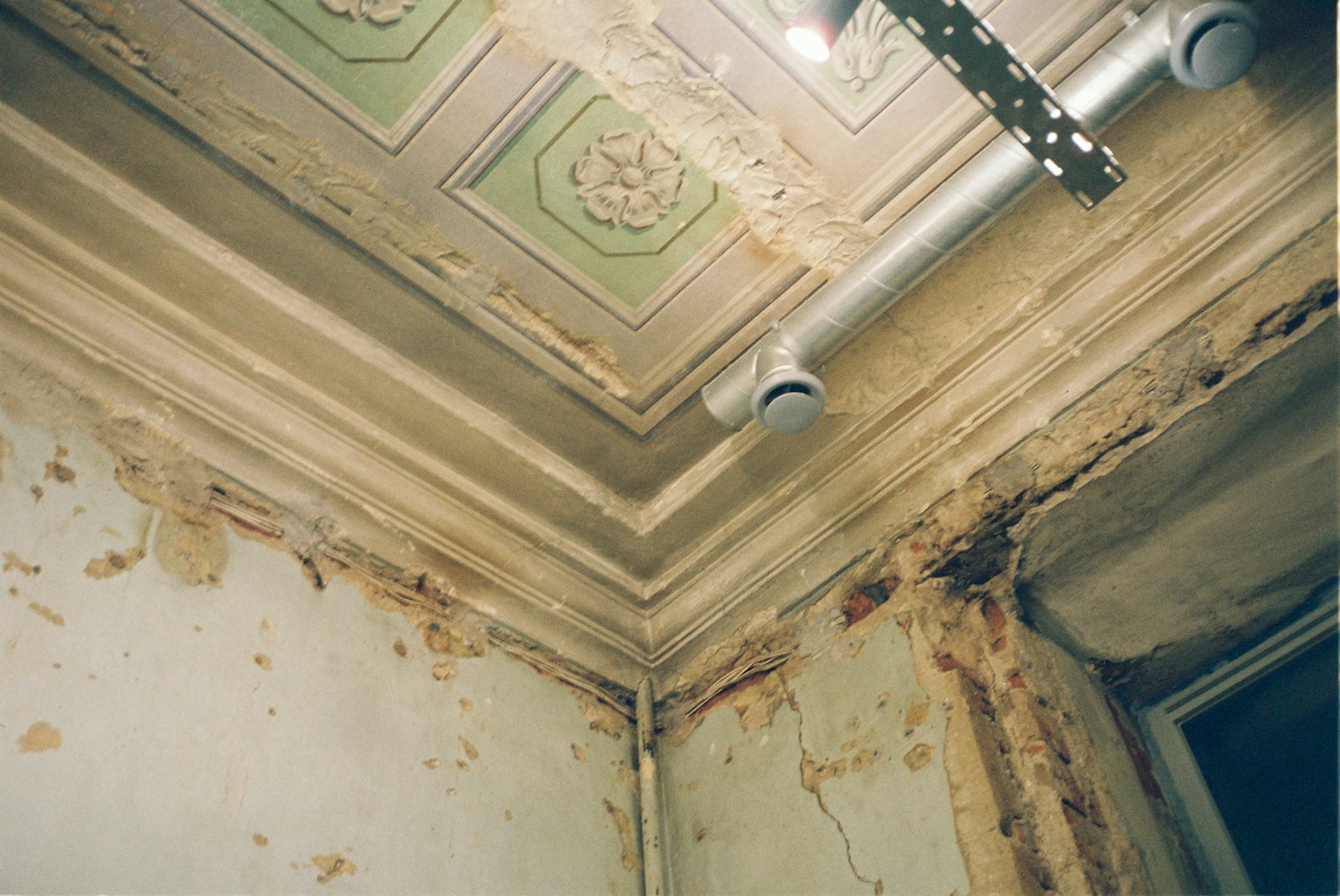
A useful way to think about it: the mould you can see is only part of the problem. The moisture behind the surface is what feeds it, and that is the part a site visit is designed to find.
How big is too big to handle yourself?
Health Canada gives a practical rule of thumb. A professional is generally not needed to clean up small areas of mould, if the proper procedures are followed and the right protective equipment is used. Medium areas can often be cleaned safely in the same way. A large mould problem, or mould that comes back after cleaning, calls for professional help.
When to handle it yourself, and when to call a pro
Based on Health Canada's cleanup guidance
| Situation | Health Canada guidance | What it means for you |
|---|---|---|
| Small area | Professional generally not required, if proper procedures and protective equipment are used | You can usually handle it yourself, with care |
| Medium area | Often cleaned safely with the same procedures and equipment | Follow the steps closely, and consider help if unsure |
| Large problem | Seek professional assistance | Book a site visit |
| Mould comes back after cleaning | Seek professional assistance | The source is probably still there. Book a site visit |
| Moisture source unclear or not fixed | Consider professional assistance | Find the source first. Call us if you cannot |
Source: Health Canada, Addressing moisture and mould in your home (January 2023), sections on cleaning up small and medium areas, and hiring a professional.
Fix the moisture first
Health Canada says the underlying water or moisture problem that led to mould must be fixed first, so it does not return. If moisture is coming in from outside, the building envelope has to be repaired: roof, walls, windows, doors and foundation. If the cause is inside, such as a leak, condensation on cold surfaces, or humid air that cannot get out, that cause comes first.
Humidity is the quiet one. Health Canada recommends a portable dehumidifier, especially if you see condensation on cold surfaces or the relative humidity is above 50%. Empty the drain pan regularly, or set the unit to drain.
Who is most at risk
Health Canada says some people are at greater risk of adverse health effects from mould exposure: infants, children, seniors, pregnant people and those with respiratory conditions such as asthma. Those people should not be in or near the area where mould is being cleaned up. Pets should be kept away from the area too.
The six steps Health Canada recommends
Health Canada's cleanup guidance is a six-step process. The order matters, so follow it in sequence.
- Discard mouldy or damaged materials. Porous materials, such as fabrics, often cannot be properly cleaned and must be discarded. Open windows and exterior doors for fresh air. Seal mouldy items that cannot be cleaned in plastic bags, and take them out.
- Vacuum. Use a vacuum with a HEPA filter, or a central vacuum exhausted outside. Vacuum all surfaces thoroughly, and vacuum non-washable furnishings that stayed dry. Clean or replace the filters often.
- Clear wet areas. Pull wet carpets and furnishings away from the walls. Cut out and discard mouldy carpets and underpads. Clean and dry the surface underneath.
- Dry. Speed up drying with fans, and open doors and windows if the weather allows. Use a portable dehumidifier when there is condensation or relative humidity above 50%.
- Isolate, if necessary. If the mould is limited to one area, cover the affected surfaces with plastic sheeting taped at the edges. This only reduces exposure while you wait for the cleanup to start.
- Seek professional assistance, if necessary. Call a professional if the moisture source or the required corrective action is unclear, if the problem is large, or if mould comes back after cleaning.
Cleaning: what to use and what to avoid
Health Canada's guidance on washable surfaces is simple: scrub with a cloth and an unscented soap solution, then dry completely and quickly. For walls, use a damp cloth with baking soda or a small amount of unscented soap solution, and do not let drywall get too wet.
Do not use bleach to clean up mould. This is the most common mistake people make, and the one that does the most harm.
Some materials cannot be cleaned at all. Health Canada says porous materials such as fabrics often cannot be properly cleaned and must be discarded. Mouldy carpets, underpads, mattresses and upholstered furniture usually go.
Myths that keep mould coming back
Myth
"Bleach kills mould, so it is the best fix."
Fact
Health Canada says not to use bleach to clean up mould. Use an unscented soap solution on washable surfaces.
Myth
"Clean the mould and the problem is solved."
Fact
Health Canada says the moisture problem must be fixed first. Cleaning without that brings the mould back, and that is the sign to call a professional.
Before you clean: a 5-minute checklist
Tick each one as you go. The progress is saved in this browser only.
0 of 5 done
When to hire a remediation team
Book a professional site visit when the area is large, when mould is inside walls, ceilings or floors, when the moisture source is unclear or still active, or when mould comes back after cleaning. Health Canada also advises professional help when the required corrective action is not clear.
A good remediation job follows the same order every time, and the scope is written down before the work starts:
- Find the moisture source. We identify the leak, condensation point or humidity problem first, because cleaning without it does not last.
- Contain the area. The work zone is sealed so the growth does not spread to the rest of the home.
- Remove the damaged material. Porous material with mould in it is removed and bagged. Solid materials are cleaned.
- Clean and dry. The area is cleaned and dried, and moisture is checked before it is closed up.
- Hand over the record. You get the written scope and a record of what was done.
We bring in trusted trade partners and specialists when a job needs them, and we coordinate them under one plan, so you have one point of contact.
Ready to book a mould remediation site visit?
Tell us where the mould is and what you have seen. We confirm the source and the scope in writing before work starts.
Questions people ask
Is mould always dangerous?
Not everyone reacts to mould the same way. Health Canada says some people are at greater risk, including infants, children, seniors, pregnant people and people with respiratory conditions such as asthma. If anyone in the home has ongoing breathing symptoms, talk to a doctor.
Is mold the same as mould?
Yes. Mold is the American spelling and mould is the Canadian spelling. It is the same fungus and the same remediation work.
Can I clean mould myself?
For a small or medium area, Health Canada says you can often do it yourself with the proper procedures and protective equipment, once the moisture is fixed. For a large area, hidden growth, or mould that returns, call a professional.
Can I use bleach?
No. Health Canada says not to use bleach to clean up mould. Use an unscented soap solution on washable surfaces, and discard porous materials that cannot be cleaned.
Should I paint over the mould?
No. Painting covers the surface, but the moisture behind it is still there. Health Canada says to fix the moisture problem first, then clean and dry the area.
When should I use a dehumidifier?
Health Canada recommends a portable dehumidifier, especially if you see condensation on cold surfaces or relative humidity above 50%. Empty the drain pan regularly, or set it to drain.
How do I choose a mould remediation company?
Ask for a written scope, who will do the work, and how they confirm the area is dry before it is closed up. The City of Toronto's mould management policy refers to the EACO mould abatement guidelines, so ask whether the company follows them.
Sources
- Health Canada, Addressing moisture and mould in your home (January 2023). Used for the cleanup steps, the size guidance, the moisture guidance, the at-risk groups and the bleach advice.
- City of Toronto, Mould management policy. Used for the EACO guidelines reference.
Related services
Related guides
Still have questions? Send us a photo and a short description of the area, or book a site visit.