

When a fire takes a house to the structure, the question is not how to clean it. It is how to rebuild it, and how to do that on a written plan.
This page is about complete structural rebuilds after a house fire in the GTA. We do the demolition, excavation, framing and full reconstruction, and we work directly with your insurance adjuster on total-loss and large claims. We do not do fire cleaning, smoke or soot remediation, mould work or board-up. This guide explains what happens after a fire, how a rebuild is sequenced, what an insurance file needs, and how to start.
Key takeaways
- We rebuild the structure after a major fire loss: demolition, excavation, framing and full reconstruction.
- We do not do fire cleaning, smoke or soot remediation, mould work or board-up. Those are separate trades.
- The first decisions are the structure, the foundation and whether the building can be kept. These are checked before anything is priced.
- Every rebuild starts with a written scope that the insurer and the owner can both read.
- Permits, engineering and inspections are confirmed for each project, not assumed.
- One lead runs the job from the first visit to occupancy, with a full record at handover.
1. Has the house been declared a total loss, or is it structurally unsafe?
2. Is an insurance adjuster already involved?
3. Do you know whether the foundation can be kept?
Table of contents
- What happens after a house fire?
- What is a total loss, and what does it mean for a rebuild?
- What does demolition after a fire involve?
- When is excavation needed in a fire rebuild?
- How is the structure rebuilt after a fire?
- How do the stages of a fire rebuild fit together?
- How do insurance and the adjuster fit into a fire rebuild?
- Do I need a permit to rebuild after a fire?
- Can I rebuild on the same foundation after a fire?
- Myths about rebuilding after a fire
- How do I choose a contractor for a fire rebuild?
- What affects the cost of a fire rebuild?
- When should I call a rebuild contractor?
- Frequently asked questions
- Sources
- Related services and guides
What happens after a house fire?
After a fire, the house is made safe first. The utility disconnections, the building department and the insurer are the first contacts, and the damage is recorded before anything is removed. Only then does the rebuild decision start.
The first 72 hours
- The site is confirmed safe to enter, and the services are disconnected by the utilities.
- The loss is photographed and recorded, room by room, with the insurer informed.
- An engineer or the municipal building department assesses whether the structure can be kept.
- A decision is made on repair or rebuild, usually with the insurer and the adjuster.
The faster the scope is written, the faster the rebuild can be planned. A rebuild that starts without a scope tends to stop and restart as new damage is found.
What is a total loss, and what does it mean for a rebuild?
A total loss is a building that cannot be economically repaired. Insurers and adjusters may call a home a total loss when the structure is gone, condemned or cannot be made safe. A near-total loss is one where most of the structure is gone, and the rebuild is effectively a new build on the existing site.
The total-loss decision changes the work. Demolition, excavation and framing become the main scope, and the finishes and systems are rebuilt to the current code.
Total loss, partial loss, and rebuild
- Partial loss: the structure is kept and the damaged parts are repaired or replaced.
- Near-total loss: the structure is largely gone, and the work is a rebuild on the same footprint.
- Total loss: the building is demolished and a new structure is built.
What does demolition after a fire involve?
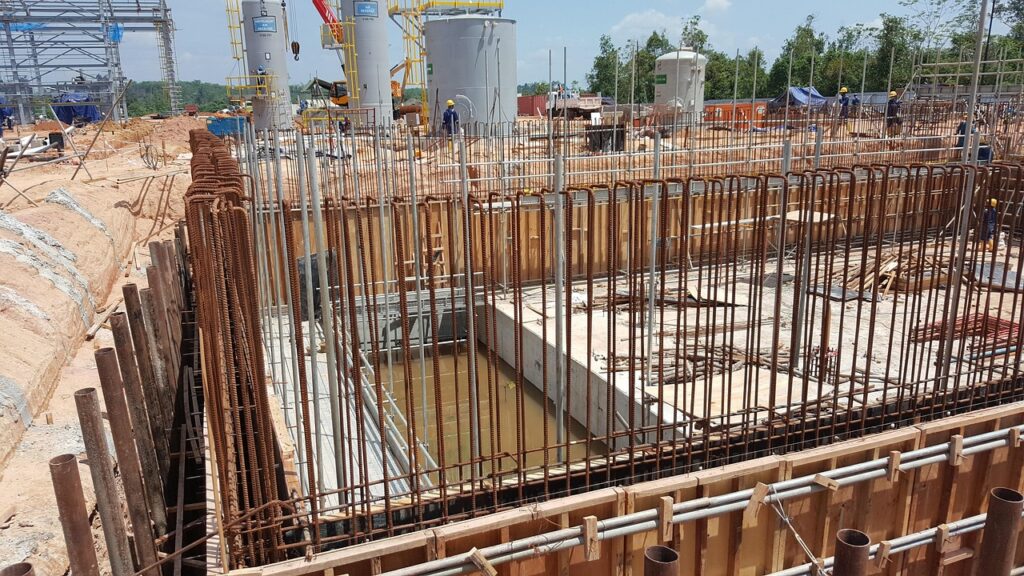
Demolition after a fire removes what the fire has damaged beyond repair, and it is planned around what can be kept. Fire damage is often deeper than it looks: charred framing, weakened masonry and damaged connections all need to be assessed before the crew cuts.
- Confirm the structure. An engineer or inspector checks what is safe to keep.
- Protect what stays. Party walls, neighbouring properties and the sidewalk are protected.
- Remove the damaged structure. Roof, upper floors, framing and damaged walls are taken down in sequence.
- Sort and dispose of waste. Debris is sorted and removed from site, and the disposal is recorded.
- Clear the site. The lot is left ready for excavation or framing.
Demolition is a permit-controlled activity in many municipalities. Check with your building department, and we confirm what applies to your property in the scope.
When is excavation needed in a fire rebuild?
Excavation is needed when the foundation has to be replaced, repaired, or extended, when service lines need to be reconnected, or when the grade has to change. Not every fire rebuild needs excavation. The foundation is checked first, and the decision is written into the scope.
- Foundation kept: the walls are inspected and repaired where needed.
- Foundation partly replaced: sections are rebuilt and the grade is confirmed.
- Foundation replaced: the excavation, footings and walls are built to the engineer’s design.
How is the structure rebuilt after a fire?
The structural rebuild follows the drawings and the engineer’s requirements. Framing, the roof, the floor systems and the walls are rebuilt in order, so each stage is checked before the next one begins.
The rebuild sequence
- Foundation confirmed. The base is checked and the design is approved.
- Framing and structure. Floors, walls and the roof are framed to the drawings.
- Mechanical rough-in. Plumbing, electrical, heating and ventilation are installed and inspected.
- Insulation and envelope. The building is closed in, weatherproofed and insulated.
- Finishes and occupancy. Drywall, flooring, fixtures and the final inspections are completed.
How do the stages of a fire rebuild fit together?
A fire rebuild is a sequence of stages, and each one depends on the one before it. The diagram shows the order. It is a diagram, not a measured chart, and the length of each stage depends on the project.
How do insurance and the adjuster fit into a fire rebuild?
The insurer decides how much of the loss is covered and on what terms. The adjuster inspects the loss, sets the estimate, and agrees the scope with the owner. We work with the adjuster on total-loss and large claims: the written scope, the photos, the documents and the schedule are shared, so the file and the work match.
What the insurance file needs
- Dated photos and video of the loss, before any demolition.
- The written scope, with each item named and priced.
- The engineer’s report on the structure, where one is needed.
- The permits and the drawings for the rebuild.
- Invoices and the approved changes, as the work goes on.
Read your policy and ask your insurer for their written position on the rebuild. Coverage depends on the policy and the cause of the fire.
Do I need a permit to rebuild after a fire?
Most rebuilds after a fire need a building permit, and demolition often needs its own permit. The City of Toronto publishes the building permit information for residents and contractors, and other municipalities in the GTA have their own process. Zoning and setbacks may also apply where the footprint changes.
- Demolition permit, where the structure is removed.
- Building permit for the new structure, with drawings.
- Inspections at each stage, before the work is closed in.
We confirm which permits apply to your property in the scope, before the rebuild is priced.
Can I rebuild on the same foundation after a fire?
Sometimes. A foundation can be kept if it is sound, the footprint can stay the same, and the engineer confirms the design. A foundation that has been heat-damaged, cracked or undermined may need repair or replacement, and that changes the cost and the schedule.
The foundation check is the first technical decision in the rebuild. It is written into the scope, so the decision is made on evidence, not on assumption.
Myths about rebuilding after a fire
Myth: If the walls are still standing, the house can be kept.
Fact: Fire can weaken structure you cannot see. An engineer or inspector confirms what is safe, and standing walls alone are not enough.
Myth: Cleaning the smoke is the first step.
Fact: If the rebuild is the decision, the structure comes first. Cleaning is a separate trade and may not be needed when the structure is replaced.
Myth: The insurer decides the rebuild, not the owner.
Fact: The owner and the adjuster agree the scope together. A written scope protects both sides.
How do I choose a contractor for a fire rebuild?
Look for a contractor who gives a written scope before any work starts, names one lead for the job, and can show the rebuild process in writing. Ask who handles demolition, the permits and the inspections, and how the work is coordinated with the adjuster.
- A written scope with every item named.
- One accountable lead from the first visit to occupancy.
- A clear answer on what they do and do not do, so there are no gaps.
- Photos and records at each stage, and a full record at handover.
This is the standard we work to. See our builds and structure service.
What affects the cost of a fire rebuild?
We do not publish a price on this page. The cost depends on the size of the house, the extent of the structural loss, whether the foundation is kept, the permits and engineering needed, the materials, and the finishes. A written scope lists each of those, so the price is built on the work.
- The extent of structural loss and what can be kept.
- Demolition, removal and disposal.
- Foundation repair or replacement, and excavation.
- Framing, systems and envelope to current code.
- Finishes and fixtures chosen by the owner.
When should I call a rebuild contractor?
- The house has been declared a total loss or is structurally unsafe.
- The adjuster needs a scope to settle the claim.
- The foundation or the structure is in doubt.
- You need a plan for permits, engineering and the schedule.
Next step: book a site visit. We confirm the loss, the scope and the schedule in writing before any demolition starts.
Frequently asked questions
Do you do fire cleaning or smoke remediation?
No. We rebuild the structure. Cleaning, smoke and soot remediation, mould work and board-up are separate trades, and we can point you to the right team.
How long does a fire rebuild take?
It depends on the size of the house, the approvals, the foundation and the materials. The scope sets the timeline, and we show the critical steps at the site visit.
Do you work with insurance adjusters?
Yes. We work directly with adjusters on total-loss and large claims. We share the written scope, the photos and the schedule with the adjuster, so the file and the work match.
Can the foundation be kept?
Sometimes. The foundation is checked by an engineer or inspector first, and the decision is written into the scope.
Do I need to move out during the rebuild?
Usually yes, because the house is being rebuilt. Plan for alternative housing and confirm the timeline with your lead.
Will the house be built to current code?
The rebuild follows the current Ontario Building Code and the permit conditions for the property.
Sources
- City of Toronto, building permit information: toronto.ca, building permits.
- Insurance Bureau of Canada, via Insurance-Canada.ca, July 2012 (dated): claims context only.
Other municipalities in the GTA publish their own permit rules. Confirm the rules for your property before the rebuild starts.
Related services and guides
New homes, additions and structural rebuilds.Renovations
Room by room, scoped in writing.Restorations
Water and mould, found, recorded and restored.
The Builders Plug
Call or text: (437) 436-4977
Email: info@thebuildersplug.ca
Hours: Monday to Friday 9am to 6pm, Saturday 10am to 4pm
Service area: the Greater Toronto Area and beyond